In-House Repairs: Why Your Jewelry Stays in Our Store
In-House Repairs: Why Your Jewelry Stays in Our Store
One of the first questions people ask when leaving a piece for repair is simple: where will my jewelry be? Knowing who receives it and where the work will be done provides greater peace of mind. We hear this concern often in our store. You do not need to know technical terms to make a good decision. What matters is taking a careful look at the piece, asking questions, and understanding how the repair will be handled.
What Does In-House Mean?
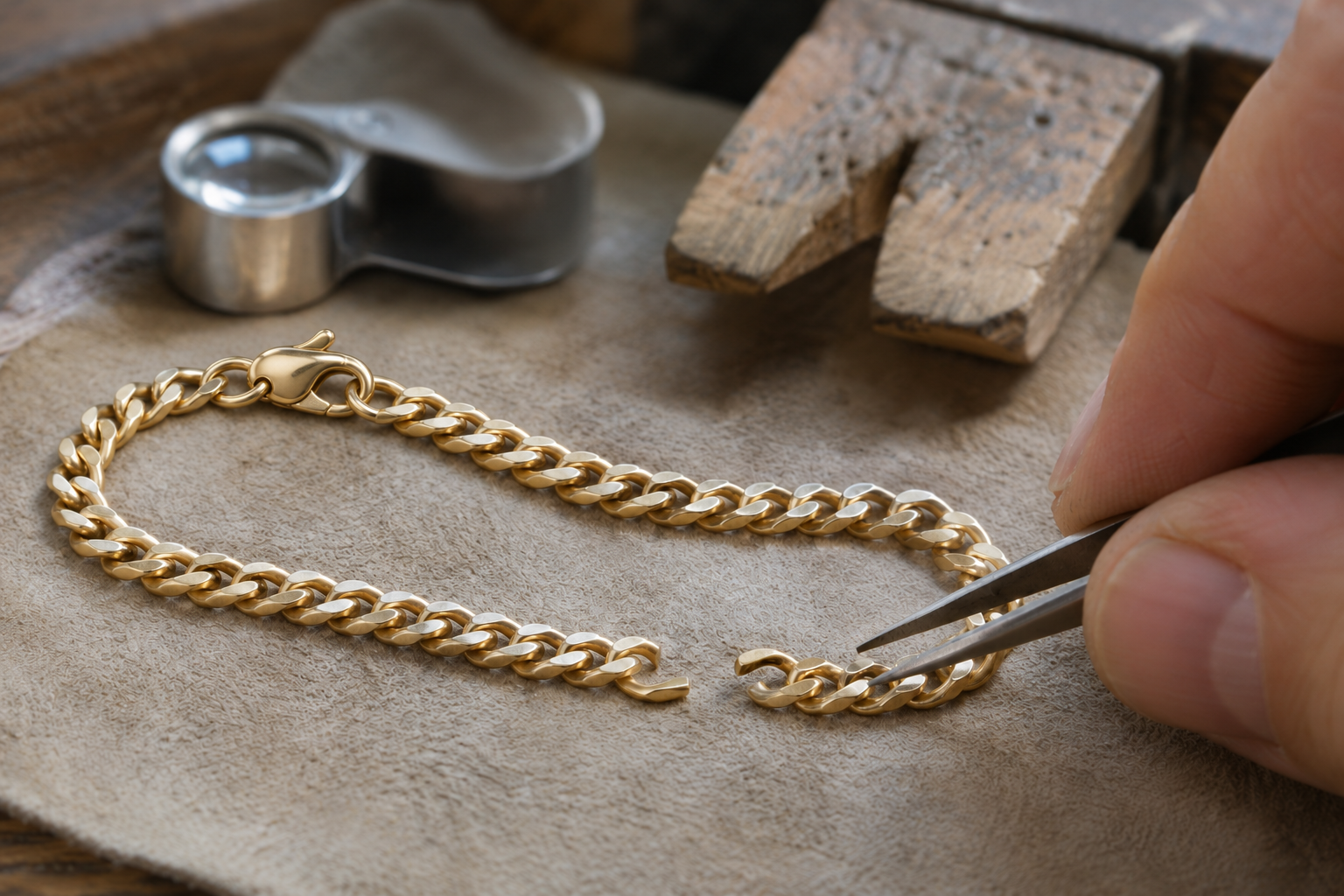
An in-house repair is completed inside the jewelry store. The piece moves from the counter to our workshop under a clear work order instead of being routinely sent to another location. Some repairs are straightforward. Others require a careful inspection of the metal, stones, and any previous work. The important thing is for the customer to understand what can be done, what limitations may exist, and how to care for the piece after the repair.
Fewer Transfers, Better Oversight
Keeping jewelry in the store reduces outside transfers and allows us to maintain more direct oversight of the piece throughout the process. It also makes it easier for our team to consult the jeweler if we find something that was not visible during the initial inspection, such as an old solder joint, a loose stone, or a section of metal that is thinner than expected.
The experience of the person who wears the jewelry also provides valuable information. Telling us when the problem began, how often the piece is worn, and whether it has been bumped can help us better understand what is happening. Taking a few minutes to answer these questions can prevent worry and difficult decisions later.
Clearer Communication
When our front counter and workshop are in the same location, information about measurements, finishes, and special details passes through fewer people. This is especially important for rings, chains, or pieces with sentimental value. A small detail, such as preserving an engraving, maintaining the original shape, or protecting a delicate stone, may be very important to the customer. You can feel comfortable telling us what you have noticed, when you first noticed it, and how you would like the piece to look when the work is finished. With that information, we can guide you more effectively and explain each option clearly. The type of metal, the thickness of the piece, the stones, and any previous repair can affect our recommendation. Our goal is to explain each recommendation in a simple, approachable way so you can feel confident and choose the option that best suits your piece.
Not All Repairs Are the Same
Every piece of jewelry is different. Even when two pieces look similar, they may require different procedures based on their design, material, and condition. Some jobs also require specialized equipment, materials, or services. If a piece needs to be sent outside our workshop, we will let you know before moving forward. We will also explain what procedure will be performed, why the piece needs to be sent out, and how much additional time the work may require. It is also completely appropriate to ask which area needs attention and which parts can remain exactly as they are. The right recommendation depends on both the materials and what the customer hopes to preserve. That clarity helps protect the jewelry and the trust of the person leaving it with us.
Trust Is Built Through Transparency
Customers have the right to know what work will be done, how long it may take, and what changes may be needed. Keeping the piece in the store is an advantage, but honest communication is still the most important part. Some repairs look simple from the outside, but a closer inspection may reveal additional details. It is best to avoid temporary home fixes, such as using glue to hold a stone, bending a section with household pliers, attempting to solder the piece with unsuitable tools, or forcing the metal back into shape. These fixes can cause greater damage and make a professional repair more difficult. The age of a piece does not always mean it is fragile, but it does deserve a more careful inspection before any work begins. The goal is not to act quickly, but to understand why each step is recommended.
An Informed Decision
Before approving a repair, think about how you wear the piece and what result you hope to achieve. Bringing an older photograph or explaining when the problem began can be very helpful during the inspection. Do not hesitate to ask what options are available, how long the work may take, and what care will be needed afterward. These simple questions are often more helpful than looking for a quick solution without understanding the material or the actual condition of the jewelry.
Care Continues After the Repair
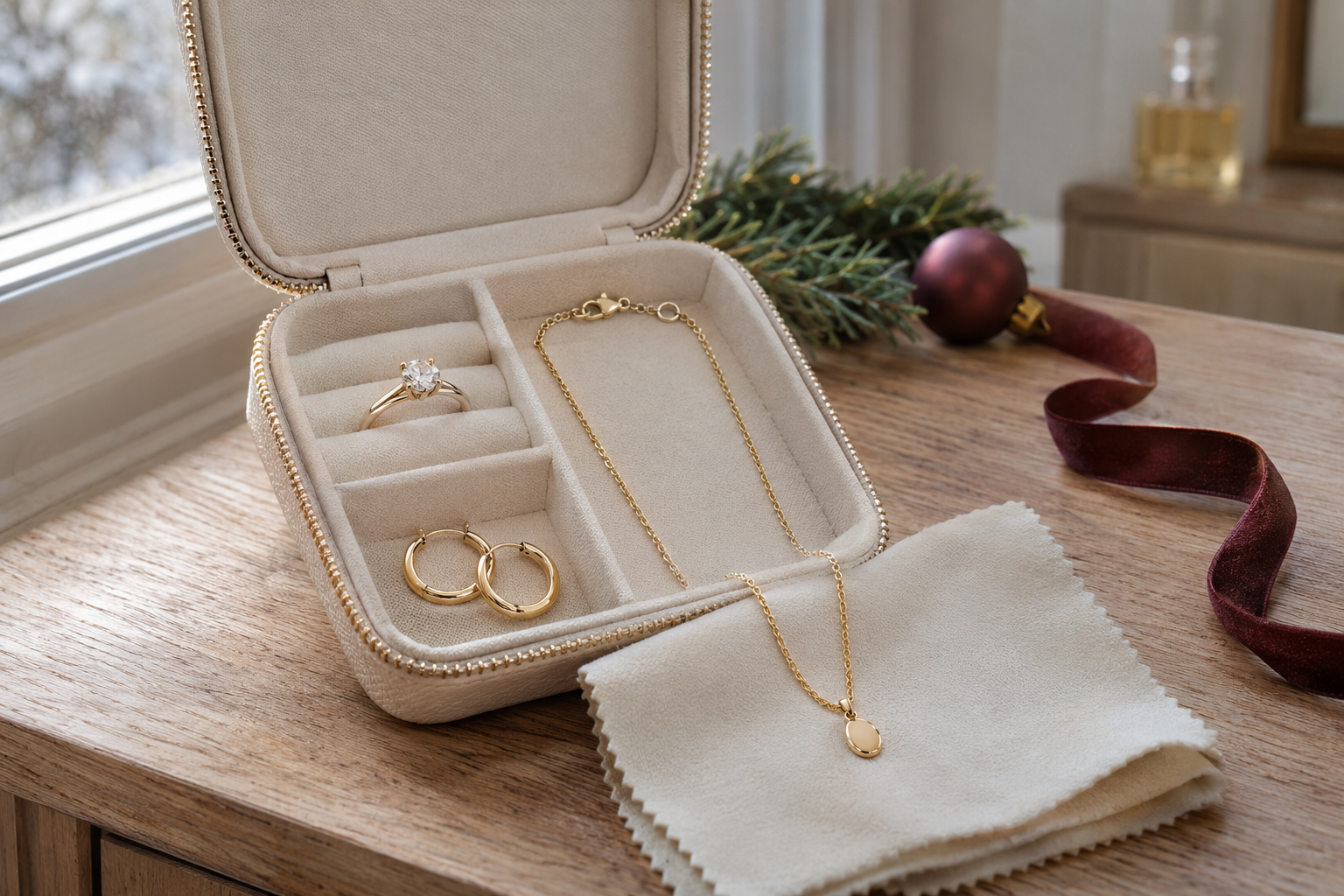
Jewelry care does not end when the piece leaves the workshop. The way you wear, clean, and store it directly affects how long it will maintain its appearance and security. If you wear the piece every day, look at it occasionally under good lighting rather than waiting for obvious damage to appear. It is also helpful to keep receipts, appraisals, and information about the metal and stones. Those records may be useful if the piece needs another repair in the future. Small habits, such as removing jewelry before heavy work, avoiding snags and pulls, and storing pieces separately, can make a meaningful difference. They do not require special knowledge, only a little consistent care.
To Preserve It for Many Years
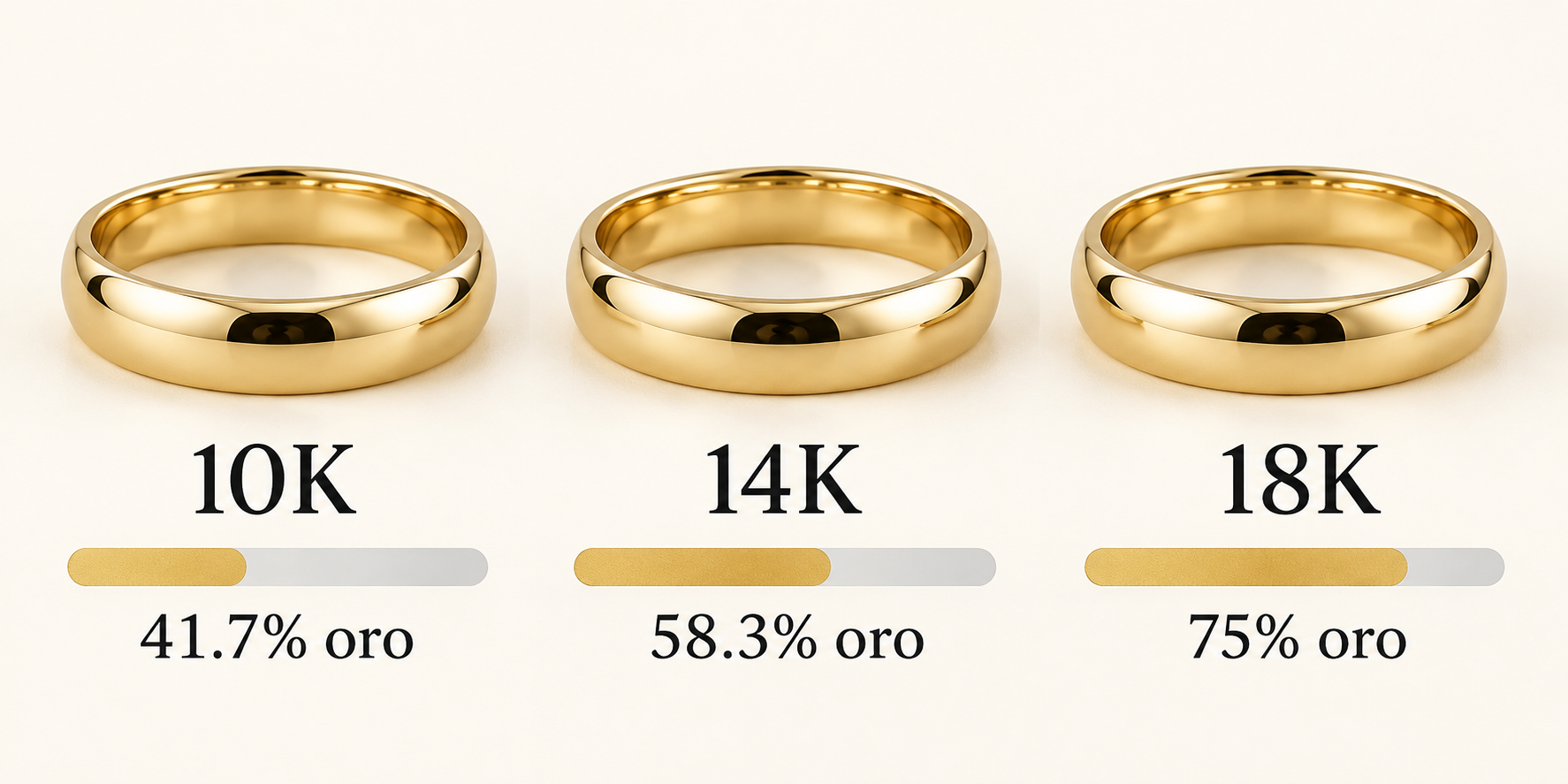
Jewelry marks important moments, but it is also part of everyday life. Timely maintenance, careful wear, and asking for guidance when something changes can help preserve a piece for many years. At El Centro Jewelry, we believe that understanding a piece is the best way to care for it. Our goal is to inspect every item carefully, explain what we see in plain language, and recommend only the work it truly needs. We want to continue supporting you as you care for the jewelry that is part of your story. In our next article, we will explain what 10K, 14K, and 18K mean in gold jewelry. If you have a question about the care, repair, or value of your pieces, share it with us; it may inspire one of our future articles. We look forward to continuing to share helpful information with you every Tuesday and Friday.
Recent Posts