How to Care for Gold Jewelry and Preserve Its Shine
How to Care for Gold Jewelry and Preserve Its Shine
Gold jewelry is meant to be enjoyed, not hidden away. Still, daily wear leaves lotion, soap, dust, and small marks that slowly change the way a piece looks. Every piece is different because design, metal, age, earlier work, and daily habits all matter. Even so, a few practical principles can make the subject much easier to understand.
Take it off at the right times
Remove gold jewelry before exercise, housecleaning, swimming, or working with tools. Impacts, chlorine, and strong products can affect the metal, clasps, and soldered areas. What is normal for one design may be a warning in another, so context matters. It is reasonable to ask what needs attention and what can remain exactly as it is. The right answer depends on the materials and on what the owner most wants to preserve. That clarity protects both the jewelry and the trust of the person leaving it.
Apply perfume and lotion first
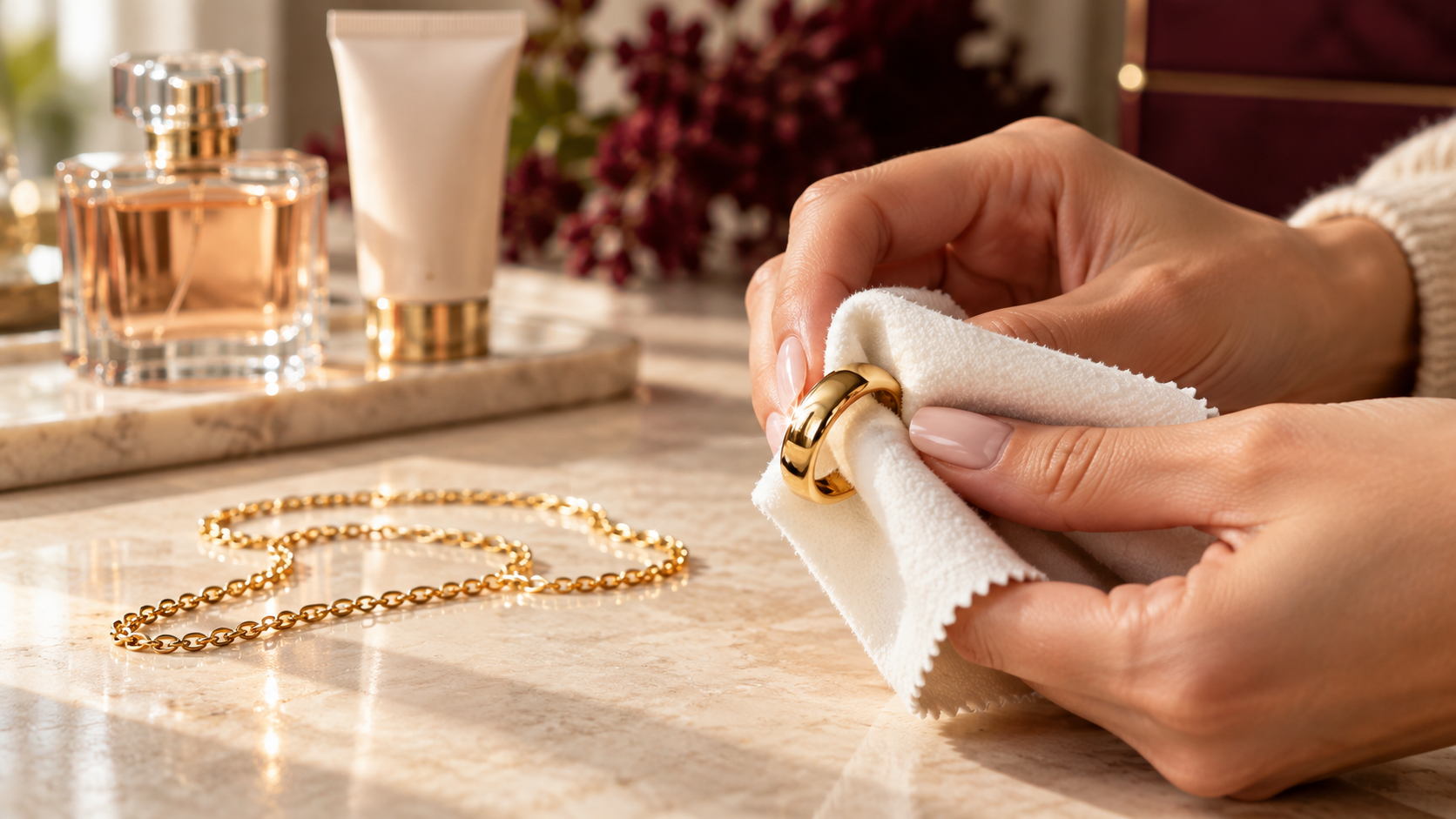
Putting on cosmetics before jewelry reduces residue. Waiting a few minutes also keeps chains and rings from becoming covered with a layer of residue that takes away their shine. Sometimes the change is obvious, but often it develops slowly over months of normal use. Avoid home remedies that may damage the jewelry, such as cleaning it with toothpaste, baking soda, bleach, or a hard-bristled brush. Do not scrape away residue with metal objects or try to tighten a loose part with pliers or other household tools. Age does not automatically mean weakness, but it does call for a more careful inspection before work begins. The point is not to act quickly, but to understand why each step is recommended.
Use a gentle cleaning method
Many gold pieces without delicate gems can be cleaned with lukewarm water, mild soap, and a very soft brush. Use light pressure and keep the drain closed while rinsing. This is easy to overlook when you are accustomed to seeing and wearing the same piece every day. When safety is uncertain, set the piece aside until someone can confirm whether it should still be worn. The goal is to protect the piece, not to perform more work than it truly needs. A direct conversation allows expectations to match the way the jewelry will actually be used.
Store each piece separately
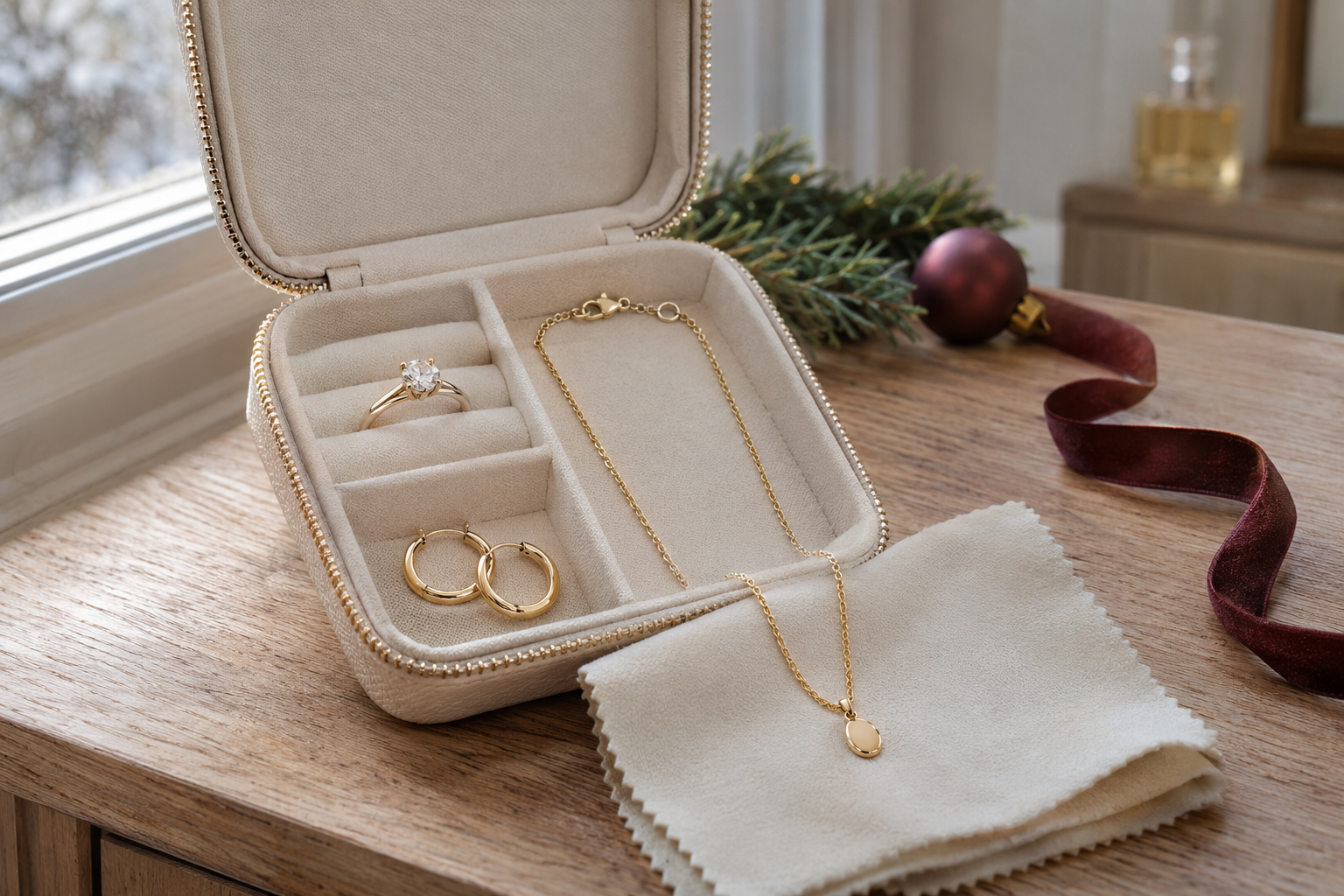
Chains tangle and rings can scratch one another. Individual compartments or soft pouches offer better protection than placing everything in one box. Many people first notice it by accident while putting the piece on or cleaning it under good light. A good decision begins by separating an urgent issue from a purely cosmetic concern. That is why jewelry should not be judged only by a photo or by how brightly it reflects light. Asking about the expected result, timing, and aftercare helps prevent
surprises.
Professional checks prevent surprises
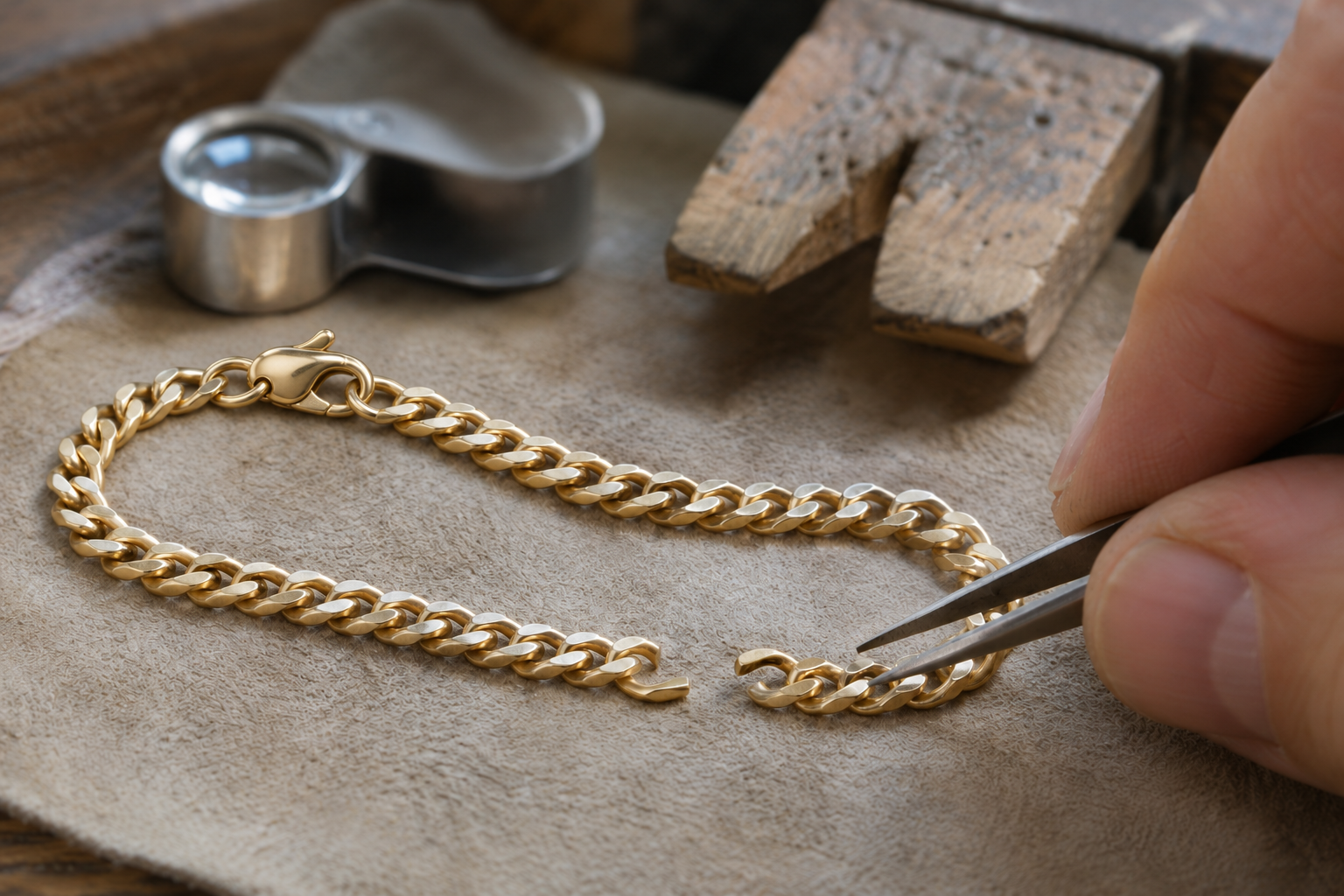
Home cleaning cannot always reveal a weak solder joint or loose stone. Pieces worn often benefit from periodic inspection even when they still look fine. What seems small at first can become much clearer when the piece is compared with how it originally looked or worked. A photo and an honest description of how the jewelry is used can be surprisingly helpful. Two pieces that look similar may need different treatment because of construction and accumulated wear. When the process is explained in clear language, making a decision becomes much easier.
Care continues afterward
One more point is worth remembering: jewelry care does not end when a piece leaves the workshop, the store, or its box. The way it is worn, cleaned, and stored directly affects how long it remains attractive and secure. If the piece is used every day, look at it occasionally under good light instead of waiting for obvious damage. Keep receipts, appraisals, and notes about the metal or stones, because that information may help with future work. If you receive specific care instructions, save them; after several months it is easy to forget which products should be avoided or how often an inspection was recommended. Small habits such as removing jewelry before cleaning, avoiding sudden pulls, and storing pieces separately make a real difference. They do not require special knowledge, only consistent attention.
A final thought
At El Centro Jewelry, we believe understanding a piece is the best way to care for it. Our goal is to inspect carefully, explain what we see in plain language, and recommend only the work that is truly needed. Jewelry marks important moments, but it also lives through ordinary days. Timely maintenance, thoughtful use, and good questions can help preserve it for many years.
Keep reading El Centro Journal
In our next article, we will discuss in-house repairs: why your jewelry stays in our store. We want this space to answer your questions too. If you have a question about the care, repair, or value of your jewelry, share it with us. Your question could become one of our next articles. Keep reading every Tuesday and Friday for new tips, a better understanding of your jewelry, and practical ways to preserve it for years to come.
Recent Posts