Why Do Diamonds and Other Gemstones Come Loose?
Why Do Diamonds and Other Gemstones Come Loose?
Sometimes the first sign is a faint sound when you move your hand. Other times, a stone that has always been secure begins to turn, or a prong on the ring catches on your clothes. It may seem minor, but it deserves attention: a loose stone can be damaged or lost. A diamond is hard, but it does not hold itself in place. Like an emerald, sapphire, or any other
gem, it depends on a metal setting. Understanding what can change in that setting helps you care for your jewelry before a stone goes missing.
Small prongs wear down, too
On many rings, small metal tips called prongs hold a stone by its edges. With daily wear, they can rub against tables, pockets, other jewelry, and surfaces we barely notice touching. The wear is often gradual: a prong becomes thin, loses part of its tip, and no longer covers the stone as it once did. Not every prong has to be damaged for a problem to develop. If even one lifts or breaks, the stone may begin to move. Metal can also bend after a knock. A ring may look fine from above while one of the points holding its stone no longer makes proper contact.
A knock can change more than you can see
Think of a ring striking a doorframe or the edge of a table. The impact may leave no obvious mark, yet it can shift a prong or alter the metal around the stone. If several small stones sit close together, a change in that part of the setting may affect more than one. That is why it is worth checking a ring after an impact, even if the diamond is still there. Besides
being at risk of falling out, a loose stone can rub against the metal that held it and become more exposed to another blow. Hard does not mean impossible to chip, especially at vulnerable edges or points.
Not all stones are held the same way
Some stones are held by prongs; others are surrounded by a metal rim or supported by metal walls on either side. Each design has different areas to inspect. In a ring with many small stones, for example, it may be difficult to see which one has started to move. Age and previous repairs matter as well. A family ring may have thin areas after decades of wear.
If one section has been repaired before, a jeweler needs to see how it connects to the rest. That does not mean you cannot keep wearing the piece; it means the inspection should reflect its actual condition.
Signs you may notice at home
Pay attention to a stone that turns, changes position, or makes a slight clicking sound; a prong that snags a sweater; or a new gap between the metal and the gem. A small stone that looks tilted compared with its neighbors may also stand out. Good lighting helps you notice these changes without touching the setting.Do not test the ring by shaking it hard or repeatedly pushing on the stone. If you think it is loose, stop wearing the piece and keep it somewhere safe until it can be checked. Do not use glue or try to close a prong with pliers: either could complicate the repair or damage the gem.
What a professional inspection can do
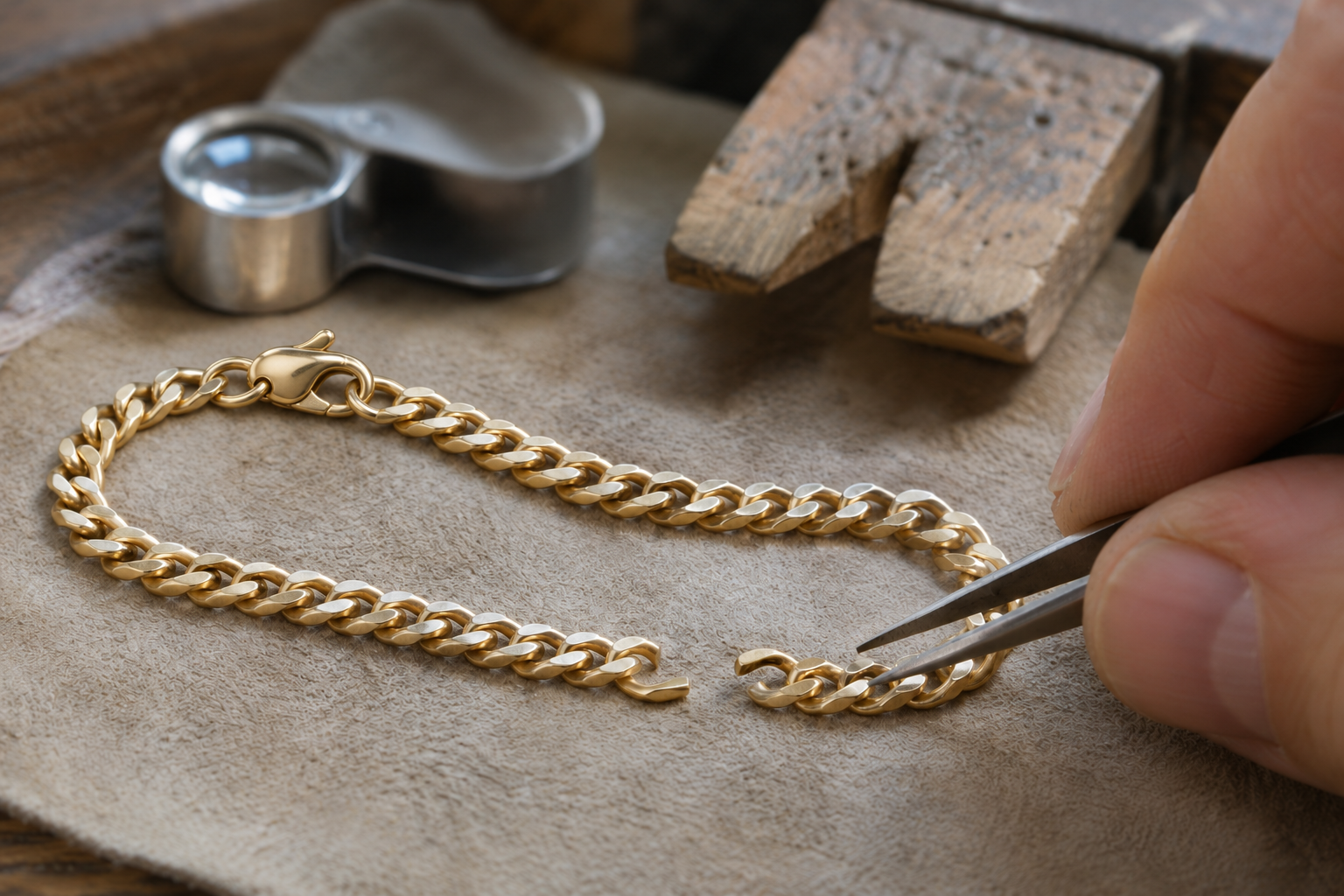
A jeweler examines how the stone is held and whether the supporting metal is worn. Sometimes the stone can simply be secured again; other times a very worn tip must be rebuilt, or part of the setting needs repair. Tightening a weak prong without addressing missing metal might stop the movement only briefly. Nearby stones are checked as well. If one has become loose because of wear, others may be in similar condition. We explain what we find and what work we recommend, so you know whether it calls for a small correction or a more involved repair.
If the stone has already fallen out
If you find it, keep it separately in a small bag or box and bring it in with the jewelry. Do not press it back into place: first, the setting needs to be examined and the reason it came loose addressed. If the stone is lost, an older photo can help identify its shape, size, and color. Finding a similar gem and setting it properly requires an evaluation; the options and cost depend on the stone and the condition of the metal that held it.
Cleaning takes care, too
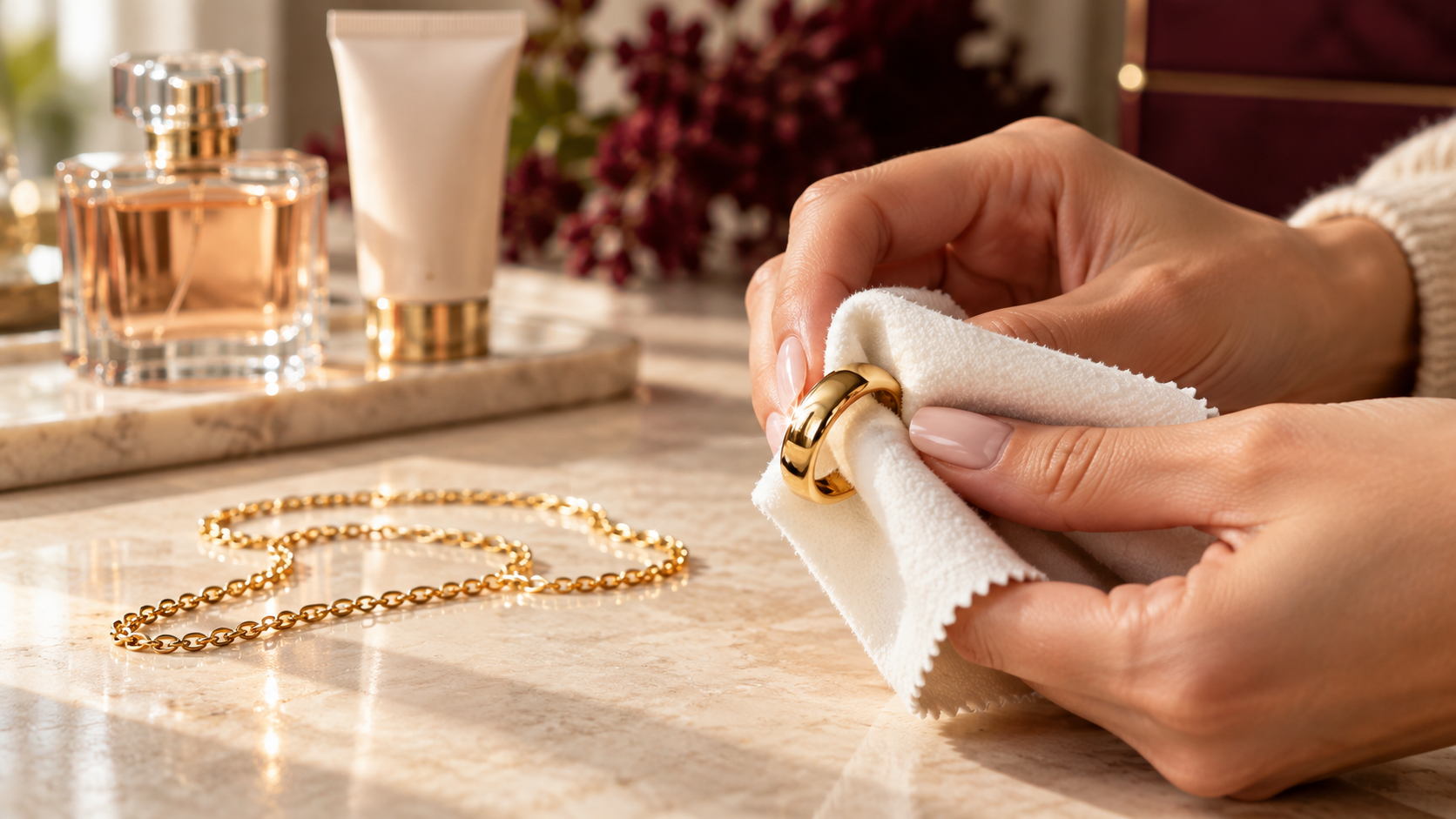
A piece with a possibly loose stone should not go into a home ultrasonic cleaner. The vibration can make the movement worse, and some gems or treatments do not tolerate this kind of cleaning. Before cleaning a delicate piece, make sure its stones are secure and the method suits its materials. Prevention can be simple: look at your jewelry from time to time, take it off for activities that may cause knocks, and ask for an inspection if anything snags, clicks, or moves. You do not have to identify the exact cause yourself. Noticing a change early may prevent the loss of a stone with great personal value. At El Centro Jewelry, we can inspect your piece and clearly explain what it needs. In the next El Centro Journal article, we will discuss the value of restoring a family heirloom. Join us every Tuesday and Friday, and tell us what questions about your jewelry you would like us to answer.
Recent Posts